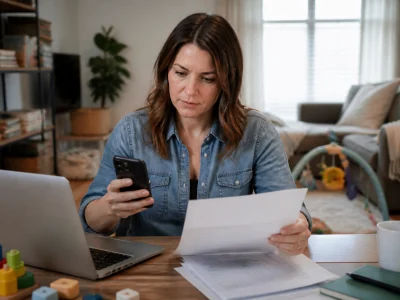
The Weatherization Assistance Program helps reduce energy costs for low-income households by increasing energy efficiency. Eligibility depends on income level, household size, and state guidelines. Learn how to qualify and save on utility bills.
Are you looking to lower your energy bills while improving your home’s efficiency? The Weatherization Assistance Program might be the answer you’re seeking! This program offers a tangible solution for families wanting to reduce their monthly expenses while contributing to a greener planet.
Many households remain unaware of the financial aid available to make homes more energy-efficient. You’re not alone if you’re unsure about eligibility or how to get started. Understanding the ins and outs of the program can open doors to significant savings.
Keep reading to discover how you can benefit from this program and what steps to take next. By the end, you’ll be ready to take action towards a more efficient and cost-effective home.
What is the Weatherization Assistance Program?
The Weatherization Assistance Program is a federal initiative aimed at helping low-income families reduce energy costs by improving home energy efficiency. The program focuses on enhancing the comfort and safety of homes through various measures. These measures include insulating walls and attics, sealing doors and windows, and upgrading heating and cooling systems. By reducing energy consumption, families can save significantly on utility bills while contributing to environmental conservation. In fact, households can save an average of $283 annually on their energy bills after weatherization.
Additionally, the program emphasizes not only energy savings but also the safety and health of residents. For example, by sealing leaks and improving ventilation, homes can prevent the infiltration of pollutants and allergens, leading to healthier living environments. The improvements can also protect against moisture-related issues, such as mold, which can cause long-term health problems.
Eligibility criteria for the Weatherization Assistance Program
Determining your eligibility for the Weatherization Assistance Program involves several criteria. Primarily, the program targets low-income households. Generally, households with incomes below 200% of the federal poverty guidelines qualify. As of 2023, this means a family of four must earn less than $55,500 annually to be eligible. Additionally, priority is given to the elderly, individuals with disabilities, and families with young children. If you are already receiving assistance from programs like LIHEAP (Low Income Home Energy Assistance Program), you might automatically qualify for weatherization assistance as well.
It’s crucial to check the specific guidelines for your state, as they can slightly differ based on local policies and available funding. In many cases, local agencies may have additional resources or support systems to help applicants navigate the qualification process.
How to apply for the Weatherization Assistance Program
1Locate your local agency
Find the agency responsible for administering the program in your area. This is typically a state or local government office. You can often find this information online or through local community centers.
2Prepare your documents
Gather necessary documentation such as proof of income, identification, and current utility bills to support your application. Ensure your documents are up-to-date to avoid delays in the application process.
3Submit your application
Submit your application with all required documents to the designated agency. Be sure to follow up if you do not hear back within a few weeks. Some agencies offer online submission options, which may expedite the process.
Benefits of participating in the Weatherization Assistance Program
Joining the Weatherization Assistance Program offers numerous benefits. Firstly, it leads to significant reductions in energy bills, allowing families to allocate resources to other essential needs. The program also enhances the home’s comfort by maintaining a consistent internal temperature, regardless of external weather conditions. Moreover, it contributes to environmental sustainability by lowering the household’s carbon footprint. Participating can also increase the home’s value by upgrading its energy efficiency, making it more appealing to potential buyers.
To put it into perspective, a weatherized home might see a reduction in energy usage by 20% to 30%. Over time, this translates into thousands of dollars in savings. Furthermore, improved energy efficiency can lead to fewer maintenance issues, as systems like heating and cooling are less strained.
Key Benefits of the Weatherization Assistance Program
- Reduces annual energy bills by up to $283, helping low-income families save money.
- Improves home comfort by sealing drafts and insulating walls and attics.
- Enhances indoor air quality by reducing mold and moisture through proper ventilation.
- Increases home value through energy-efficient upgrades like new windows and doors.
- Provides long-term energy savings, decreasing reliance on public energy assistance.
Common misconceptions about weatherization assistance
Several misconceptions often surround the Weatherization Assistance Program. One common myth is that only homeowners can apply; however, renters with landlord approval are also eligible. Another misconception is that the program only provides insulation. In reality, the assistance covers a range of energy-saving improvements, from heating system upgrades to air sealing. Additionally, some believe the application process is cumbersome, but local agencies provide guidance to simplify it.
Understanding these misconceptions can encourage more households to apply. By debunking these myths, potential applicants can approach the program with a clearer perspective, knowing it is accessible and beneficial for a wide range of people.
Related programs that complement weatherization assistance
There are several programs that complement the Weatherization Assistance Program, enhancing its benefits. For instance, LIHEAP helps with energy bills, making it easier to manage utility costs while homes are being weatherized. Additionally, the Federal Pell Grant offers educational financial aid, allowing families to focus resources on furthering education while also improving home energy efficiency. Engaging with these programs can provide a holistic approach to financial and energy management.
Other related initiatives include the Low-Income Home Water Assistance Program (LIHWAP), which aids with water utility bills, and state-specific energy rebate programs that offer incentives for purchasing energy-efficient appliances. These programs work synergistically, amplifying the overall benefits of weatherization assistance.
Tips for maximizing your weatherization benefits
Maximizing the benefits of the Weatherization Assistance Program involves a few strategic steps. First, ensure that all energy-saving measures are appropriately installed by qualified professionals. Regular maintenance of upgraded systems, such as heating and cooling units, is crucial to sustaining energy savings. Additionally, combining weatherization with other energy-saving practices, like using energy-efficient appliances and lighting, can further reduce utility bills. Engaging with community programs can also provide additional resources and support.
Moreover, consider conducting an energy audit before and after the weatherization improvements. This audit helps identify specific areas of improvement and measures the exact impact of the upgrades. Many local utility companies offer free or discounted energy audits that can highlight further opportunities for savings.
Success stories of weatherization assistance
Across the country, many families have experienced significant benefits from participating in the Weatherization Assistance Program. For example, in Ohio, a low-income family saw their annual energy expenses drop by nearly $500 after receiving new insulation and a furnace upgrade. Similarly, in California, a senior citizen was able to live more comfortably during summer heatwaves thanks to improved air conditioning efficiency.
These success stories illustrate the program’s potential to transform lives, not just through financial savings but also by enhancing overall quality of life. By sharing these stories, the program encourages others to take advantage of the resources available to them.
ℹ️ Importante: Este conteúdo é independente e meramente informativo. Não temos relação, afiliação, patrocínio ou controle sobre as instituições, programas ou plataformas citadas. Para informações oficiais, consulte sempre os canais das entidades envolvidas.
Dúvidas Frequentes
Eligibility is based on household income, which must be at or below 200% of the federal poverty level. Family size also affects eligibility.
Applications are submitted through local agencies. Required documents include proof of income and household size. Processing times vary by state.
The program covers insulation, sealing of air leaks, and heating system repairs. These measures aim to improve energy efficiency.
Yes, renters can qualify with the landlord's permission. The property owner must agree to the upgrades.
The program is free for eligible participants, with funding provided by federal and state sources. No costs are incurred by the household.
Conclusion: Take the next step towards energy efficiency
Improving your home’s energy efficiency through the Weatherization Assistance Program is a step toward financial savings and environmental responsibility. Understanding the eligibility and application process is crucial to accessing these benefits. Consider exploring related assistance programs to further ease financial burdens. For more detailed information, visit our Benefits section where you can find comprehensive guides and practical tips on energy-related assistance.