FREE TRIAL CENTER
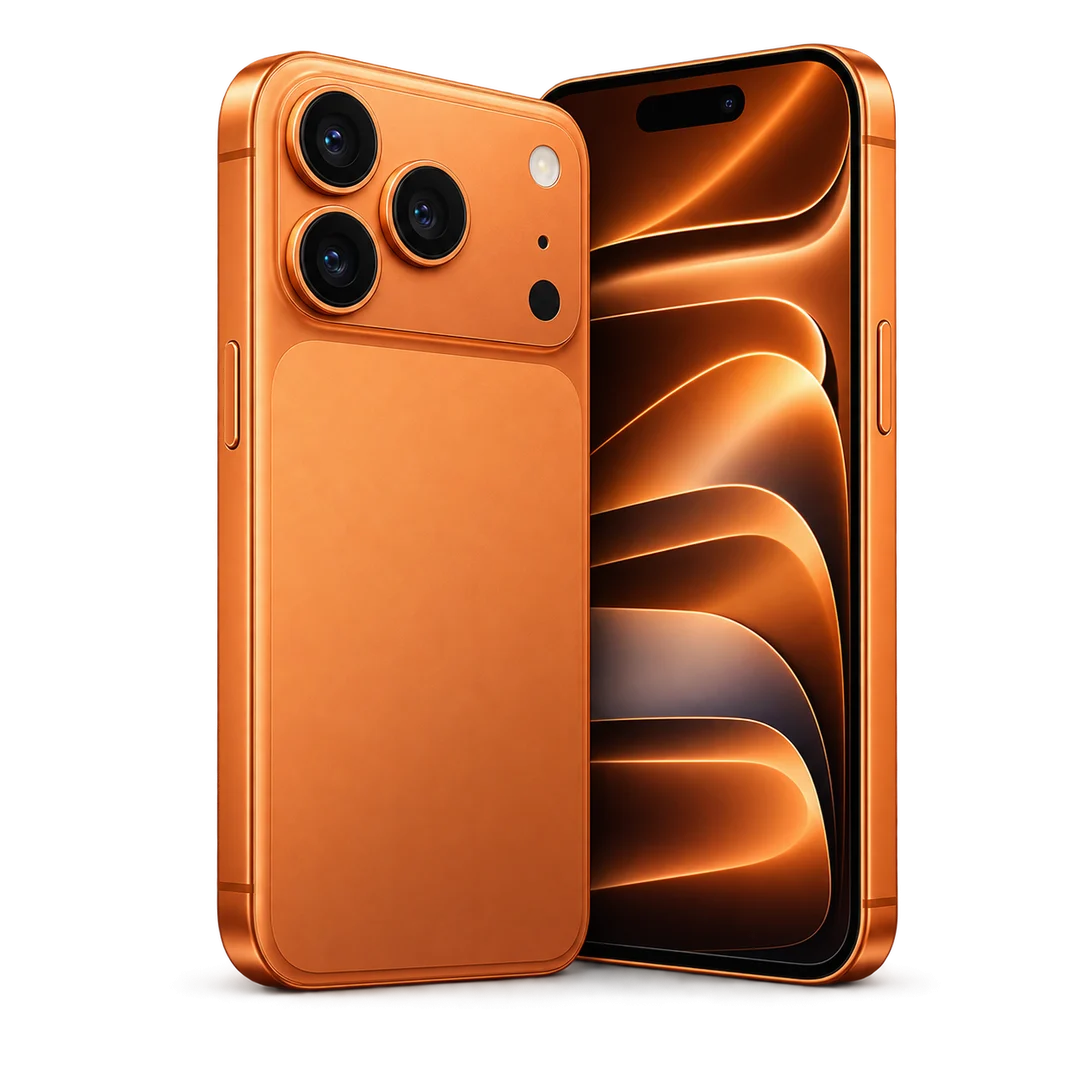
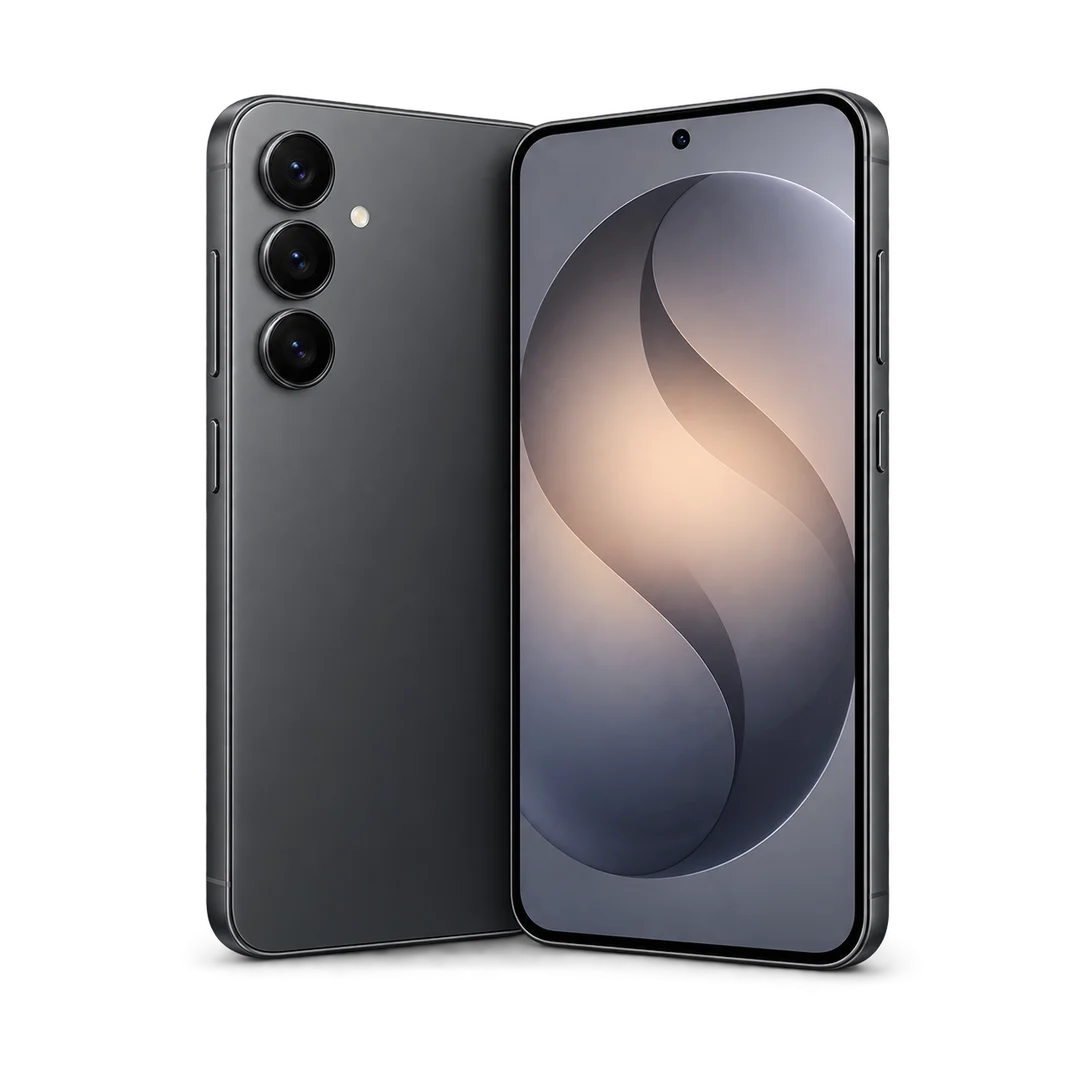
SHEIN is testing the iPhone 17 Pro and Samsung Galaxy S26 this cycle. Select your product and complete your application.
About SHEIN free trial center
Flagship smartphones often solve similar everyday tasks, but they do not always feel the same to use. Your preferred operating style, the devices you already own, the type of photography you enjoy, and the amount of customization you want can matter more than a single specification.
This comparison is focused on user preference rather than a claim that one phone is universally better. The iPhone 17 Pro path may appeal to someone who values a tightly connected device experience and straightforward consistency. The Galaxy S26 path may appeal to someone who enjoys flexibility, customization, and an Android-centered setup.
The iPhone 17 Pro preference profile
The iPhone option is likely to attract users who want a polished, predictable experience and already feel comfortable with Apple’s approach to phones. Familiar navigation, continuity with other Apple devices, and a preference for a controlled interface can make the decision feel natural.
This does not mean the phone is automatically the right choice for every shopper. Its strongest appeal is usually the complete experience rather than one isolated feature. If your laptop, watch, tablet, cloud storage, messages, and media habits already revolve around the same ecosystem, staying within it can reduce friction.
You may lean toward iPhone if you:
- already use other Apple devices or services;
- prefer a consistent interface with fewer setup decisions;
- care about effortless sharing within your current device circle;
- want a premium phone that feels familiar from the first day.
The Galaxy S26 preference profile
The Galaxy option is likely to attract users who enjoy tailoring a phone to their habits. Android users often value choice in layouts, default apps, integrations, and how information appears on the screen. Someone who likes exploring settings and creating a more personal setup may find this path more appealing.
The Galaxy path can also feel more natural when your existing devices or services already work around Android, Google, or Windows. The practical advantage is not the brand name alone. It is the reduced effort of keeping the phone connected to the tools you already use.
You may lean toward Galaxy if you:
- want more control over layout and everyday customization;
- already use Android, Google, or Windows-centered services;
- enjoy testing different features and interface options;
- prefer choosing how the device behaves instead of accepting one default approach.
Five factors to consider before choosing
1. Your current ecosystem
The devices you already own can influence convenience. Think about your watch, computer, tablet, earbuds, cloud storage, and the people with whom you share files most often. Switching ecosystems can be worthwhile, but it may require adjustments beyond the phone itself.
2. Your preferred interface
Some users want a phone that arrives with a clear, consistent structure. Others want to change icons, launchers, widgets, app behavior, and defaults. Neither preference is more advanced. It is about how much control you want over the daily experience.
3. Your camera habits
Do you mainly capture people, short videos, travel moments, pets, distant subjects, or social content? Instead of choosing from a headline alone, think about the camera situations you actually encounter. A feature has value only when it supports your real habits.
4. How long you keep a phone
If you replace phones infrequently, comfort, storage planning, repair options, software support, and long-term compatibility may matter more than a launch-day novelty. Your decision should still feel sensible after the excitement of a new model fades.
5. Your tolerance for switching
Moving photos, messages, authentication apps, passwords, and subscriptions can take time. If both choices appeal to you, the effort required to change platforms may become the deciding factor.
A preference-based comparison
| Preference | iPhone path | Galaxy path |
|---|---|---|
| Setup style | Consistency and familiarity | Flexibility and personalization |
| Natural fit | Apple-centered routine | Android or Google-centered routine |
| Best reason to choose | You value a unified experience | You value control over the experience |
Picture the first week with each phone
Imagine setting up the iPhone option. Would the familiar menus, account connections, accessories, and communication tools make the transition feel immediate? Now imagine setting up the Galaxy option. Would the ability to reorganize the interface and connect it to your existing Google or Windows habits feel more satisfying?
Your reaction to those two scenes is useful. A phone is touched hundreds of times throughout a normal week. Small differences in navigation and compatibility can matter more than an impressive feature you rarely open. Choose the experience you would enjoy using repeatedly, not the one that sounds best in a short advertisement.
What your selection does and does not mean
Your choice completes the smartphone preference path and opens the same educational article for either phone. The destination explains official product-trial processes, typical review responsibilities, realistic selection expectations, and warning signs connected to fake reviewer messages.
The selected phone is not being promised, reserved, awarded, or guaranteed through this quiz. Legitimate programs explain exactly which products are included, how participants are chosen, and whether shipping, customs, reviews, or other obligations apply. Never send payment solely because someone claims it will guarantee a product-testing position.
Two final questions before you select
Would switching platforms create extra work?
Consider saved passwords, paid apps, cloud photos, accessories, messages, and authentication tools. A new platform can be exciting, but the transition should be part of the decision rather than an unexpected inconvenience.
Which phone would feel easier after six months?
Ignore the first-day excitement and imagine ordinary use. The stronger choice is usually the phone whose interface, services, and connections would continue to feel comfortable after the novelty disappears.