Explore how the Lifeline program helps with phone service.
See also
Understand device availability, eligibility, and if a premium phone like the iPhone 16 Pro Max is an option.
Does Lifeline give a free iPhone 16 Pro Max?
The short answer is no, the Lifeline program does not typically provide free premium smartphones like the iPhone 16 Pro Max. The Lifeline program is a federal initiative designed to make communication services, like phone and internet, more affordable for eligible low-income households. Its primary goal is to ensure access to essential communication, not to subsidize high-end devices.
The core benefit of Lifeline is a monthly discount on phone or internet service. For most eligible households, this discount is up to $9.25 per month. Households on Tribal lands can receive an enhanced discount of up to $34.25 per month. These discounts are applied directly to your monthly bill, significantly reducing the cost of staying connected.
While some Lifeline providers do offer free devices, these are almost universally entry-level Android smartphones. These devices are intended to be functional and provide basic communication capabilities, such as making calls, sending texts, and accessing the internet. They are not designed to compete with the advanced features and retail price point of a flagship phone like the iPhone 16 Pro Max, which typically retails for about $1,199 or more, depending on storage and configuration.
The cost difference between the Lifeline discount and the price of a premium iPhone is substantial. Even with the maximum Tribal land discount, the annual savings are over $411, while standard discounts offer over $111 annually. This amount would only cover a small fraction of the iPhone 16 Pro Max’s cost. Lifeline providers focus on offering devices that can be fully subsidized or offered at a very low cost, ensuring that the program remains accessible and effective within its budget and mission.
Therefore, if you are looking to get an iPhone 16 Pro Max through Lifeline, it’s important to adjust your expectations. The program is an invaluable resource for reducing communication expenses, but it is not structured to provide high-value smartphones. Providers prioritize widespread access to basic communication tools over premium device offerings.
Who qualifies for Lifeline benefits?
Qualifying for the Lifeline program involves meeting specific income or program-based eligibility criteria established by the federal government. Since its inception in 1985, the Lifeline program has aimed to help low-income Americans afford essential phone and internet services. The eligibility rules are in place to ensure that the benefits reach those who need them most.
There are two main ways to qualify for Lifeline:
- Income-based eligibility: Your household income must be at or below 135% of the Federal Poverty Guidelines (FPG). These guidelines are updated annually and vary based on the number of people in your household. For a single-person household, 135% of the FPG is currently about $20,331 per year, but this figure can change. It is crucial to check the most current guidelines at lifelinesupport.org to confirm your eligibility. You will need to provide documentation of your income, such as pay stubs, tax returns, or a Social Security statement.
- Program-based eligibility: You or someone in your household participates in one of the following federal assistance programs:
- Supplemental Nutrition Assistance Program (SNAP)
- Medicaid
- Federal Public Housing Assistance (FPHA)
- Supplemental Security Income (SSI)
- Veterans Pension and Survivors Benefit
- Certain Tribal programs (for those residing on Tribal lands), including Bureau of Indian Affairs General Assistance, Tribal TANF, Food Distribution Program on Indian Reservations, or Head Start (for income-eligible families).
It’s important to remember that the Lifeline benefit is limited to one per household. This means only one person in your household can receive the discount on phone or internet service. A household is generally defined as any individual or group of individuals who live together at the same address and share income and expenses.
When applying, you will need to provide proof of participation in one of these programs, such as an award letter, statement of benefits, or other official documentation. The National Verifier, overseen by the Universal Service Administrative Company (USAC), is responsible for confirming your eligibility. They cross-reference your information with government databases to ensure accuracy and prevent fraud.
Understanding these criteria is the first step toward accessing the valuable support Lifeline offers. By meeting either the income threshold or participating in a qualifying program, you can significantly reduce your monthly communication costs, making it easier to stay connected to work, family, and emergency services.
How to apply for Lifeline: A step-by-step guide
Applying for the Lifeline program might seem daunting, but the process is structured to be as straightforward as possible. The key is to gather all necessary documentation and follow the steps carefully. This guide will walk you through the application process, ensuring you have the information you need to successfully apply for your Lifeline benefits.
1Check your eligibility
Before starting, confirm you meet the income or program-based requirements. Visit lifelinesupport.org to review the latest Federal Poverty Guidelines or qualifying assistance programs.
2Gather necessary documents
You’ll need proof of identity (driver’s license, state ID, passport) and proof of eligibility. For income-based, this includes tax returns or pay stubs. For program-based, provide an award letter or statement of benefits from a qualifying program.
3Apply through the National Verifier
The primary way to apply is online via the National Verifier website at nv.usac.org. You can also apply by mail using a printable application form or through a participating Lifeline provider.
4Complete the application form
Fill out all required fields accurately. This includes your personal information, household details, and the method of eligibility you are claiming. Be prepared to upload or mail copies of your supporting documents.
5Wait for verification
Once submitted, your application will be reviewed by the National Verifier. This can take a few days to a few weeks. You may be asked for additional information if your initial documentation is insufficient. Check your application status regularly.
6Choose a Lifeline provider
After approval, you can select a Lifeline service provider in your area. Many providers offer free basic phones or discounted service plans. Contact them directly to enroll and receive your benefits.
Remember, the Lifeline benefit is for one per household. If someone in your household already receives Lifeline, you will not be eligible. The program is overseen by USAC and the FCC to ensure fair distribution of benefits. By following these steps, you can successfully navigate the application process and start receiving your monthly discount on essential communication services.
Which carriers and providers offer Lifeline devices?
While the Lifeline program itself provides a service discount, many participating carriers and providers extend their offerings to include free or heavily discounted devices. These providers are crucial intermediaries that deliver the Lifeline benefit directly to eligible consumers. It’s important to understand that their device lineups are primarily composed of entry-level Android smartphones, not premium models like the iPhone 16 Pro Max.
The goal of these providers is to ensure that beneficiaries have a functional device to access the subsidized service. They typically offer a selection of basic smartphones that can handle calls, texts, and internet browsing, making them suitable for essential communication needs. These devices are often available for free to eligible customers, as their cost is absorbed by the provider, sometimes with additional support from other government programs.
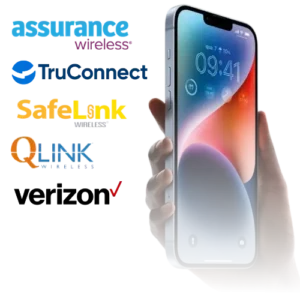
Some of the prominent carriers and providers that participate in the Lifeline program and often provide devices include:
- Assurance Wireless: A well-known provider that offers free phones and monthly service to eligible customers. They focus on bringing wireless service to low-income individuals.
- Q Link Wireless: Another major player, Q Link Wireless provides free cell phone service and often a free smartphone to those who qualify for Lifeline. They emphasize connectivity for all.
- TruConnect: Offering both Lifeline and Affordable Connectivity Program (ACP) benefits, TruConnect provides free wireless service and a free smartphone to eligible households.
- Access Wireless: A brand under the i-wireless, LLC umbrella, Access Wireless offers free wireless service and a free smartphone to qualified customers in specific states.
- Boost Mobile: While primarily a prepaid carrier, Boost Mobile also participates in the Lifeline program, offering discounted services and sometimes devices to eligible customers. Their device offerings tend to be more varied but still focus on affordability.
- Cricket Wireless: Similar to Boost Mobile, Cricket Wireless is a larger carrier that offers Lifeline discounts on their service plans. Device availability may vary, with a focus on affordable options.
Each provider has its own specific device lineup, service plans, and coverage areas. It is highly recommended to visit their individual websites or contact their customer service directly to inquire about their current offerings and to confirm eligibility in your specific region. While they do an excellent job of connecting millions of Americans, expecting a premium device such as the iPhone 16 Pro Max from these programs is not realistic, as their focus remains on bridging the digital divide with practical, affordable solutions.
Frequently asked questions about Lifeline and devices
Understanding the nuances of the Lifeline program and its device offerings can bring up several questions. Below are answers to some of the most common queries, providing clarity on how the program operates in relation to smartphones and service.
These answers highlight that Lifeline is a robust support system for communication access, but its scope regarding devices is limited to basic, functional models. For specific details about plans and devices, always contact a Lifeline provider directly or visit the official USAC websites.
Understanding your Lifeline options
The Lifeline program serves a vital role in ensuring that low-income households can afford essential phone and internet services. With monthly discounts of up to $9.25 (or $34.25 on Tribal lands), it provides significant relief, leading to annual savings of over $111 and over $411 respectively. This federal initiative, overseen by USAC and the FCC, has been a cornerstone of communication accessibility since 1985.
While the prospect of receiving a premium device like an iPhone 16 Pro Max through Lifeline is enticing, the program’s structure and budget prioritize broad access to basic communication tools. Providers such as Assurance Wireless, Q Link Wireless, and TruConnect typically offer free entry-level Android smartphones, focusing on functionality rather than high-end features. The retail cost of an iPhone 16 Pro Max, around $1,199, far exceeds what the Lifeline discount can cover.
Qualifying for Lifeline depends on meeting income thresholds (135% of Federal Poverty Guidelines) or participating in various assistance programs. The application process, managed through the National Verifier at nv.usac.org, requires careful documentation and annual re-certification. By understanding these guidelines, you can effectively utilize Lifeline to reduce your communication expenses and maintain vital connections.
Ultimately, Lifeline is an invaluable resource for securing affordable phone and internet service, but it’s essential to manage expectations regarding device offerings. Focus on the core benefit of reduced service costs, and explore the functional, free smartphones that providers typically offer to meet your basic communication needs.
ℹ️ Important: This content is independent and for informational purposes only. We have no affiliation, sponsorship, or control over the institutions, programs, or platforms cited. Never pay anyone to “release” a benefit. For official information, always consult the channels of the entities involved, such as LifelineSupport.org, USAC, and the FCC.