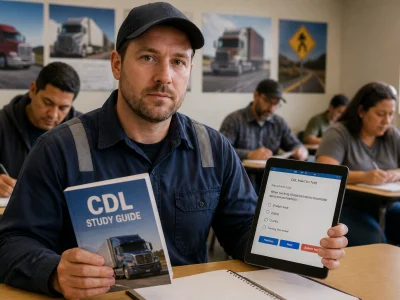
Forklift certification involves formal training, practical experience, and workplace evaluations. The employer is responsible for ensuring all safety standards are met. Avoid online certifications that lack practical assessments.
Forklift certification requires formal instruction, practical training, and a workplace evaluation, all mandated by the Occupational Safety and Health Administration (OSHA).
The pay, requirements, and availability for forklift certification vary by employer, state, and even season, making it vital to check official sources.
Use this checklist to evaluate each option before visiting an official page, ensuring you make informed decisions about your certification path.
Forklift certification: what it covers and who issues it
Forklift certification involves formal instruction, practical training, and a workplace evaluation as required by OSHA (Occupational Safety and Health Administration). The certification process ensures that forklift operators are well-equipped with the necessary skills to handle equipment safely and efficiently. Employers are mandated to provide the necessary training under OSHA guidelines, which includes both classroom instruction and hands-on training using the actual equipment in the workplace. This ensures that operators are prepared to meet the specific demands of their job environment.
The formal instruction typically covers the principles of safe forklift operation, maintenance, and the potential hazards associated with forklift use. Practical training, on the other hand, involves hands-on exercises where the trainee learns to operate the forklift under the supervision of a qualified instructor. The final step is the workplace evaluation, which assesses the operator’s ability to handle the forklift safely in different scenarios. This comprehensive approach ensures that operators are not only knowledgeable but also competent in real-world situations.
Employers must issue certifications after successful completion of training and evaluation. This certification must be renewed periodically to ensure compliance with safety regulations and to keep abreast of new safety practices and technologies. Understanding these requirements can help forklift operators identify legitimate training programs and avoid spending money on online certifications that do not meet OSHA standards.
What changes when your training is done the official way
Completing forklift training the official way can significantly improve your job prospects and safety awareness. Official training ensures you receive comprehensive instruction tailored to the specific equipment and conditions of your workplace. This training often results in higher confidence and competence when operating forklifts, reducing the risk of accidents and workplace injuries. However, it’s important to remember that while training can enhance your skills and safety knowledge, it does not automatically guarantee better pay or employment.
Quick Tip: Always confirm that your training provider is recognized by OSHA to ensure the validity of your certification.
Employers often provide additional benefits to certified forklift operators, such as safer work environments and opportunities for advancement. Certified operators are also more likely to be trusted with responsibilities that require more precision and care. As a result, having a valid forklift certification can be a valuable asset when seeking job opportunities in logistics, construction, and warehousing sectors.
Costs, validity and employer duties to check
Employers are generally responsible for the costs associated with forklift certification, including training and evaluation fees. Certification must be renewed at least every three years, or sooner if the operator is involved in an accident or near-miss incident, to ensure continued compliance with safety standards. An online-only certification card does not meet OSHA’s requirements, as practical training and evaluation are essential components of the certification process.
⚠️ Caution: Beware of online certifications that offer cards without practical evaluation—they are not OSHA-compliant.
Employers have the duty to ensure that all forklift operators are adequately trained and evaluated according to OSHA standards. This includes keeping records of all training and certifications, and conducting additional refresher training sessions whenever necessary. Employers must also verify the legitimacy of any external training providers and ensure they meet OSHA’s requirements. It is crucial for operators to confirm that their certification remains valid and up-to-date to maintain their eligibility for work.
How to get certified step by step
1Confirm the employer’s training program
Ensure that your employer’s training program meets OSHA’s requirements for forklift certification.
2Complete the formal instruction
Attend classroom sessions to learn about forklift safety, maintenance, and operation principles.
3Complete practical training on the equipment used
Engage in hands-on training using the specific equipment you’ll operate in the workplace.
4Pass the workplace evaluation
Demonstrate your ability to operate a forklift safely and competently during the on-site evaluation.
5Keep the record of training
Ensure that a record of your training and certification is maintained for future reference.
6Repeat the evaluation on schedule
Participate in periodic re-evaluations to ensure your skills and certification remain current.
Benefits of Forklift Certification
- Certified operators have proven skills, increasing job opportunities.
- Employers often cover training costs, saving personal expenses.
- Proper certification reduces workplace accidents.
- Certification enhances compliance with OSHA regulations, ensuring safety.
- Certification is valid for three years, requiring periodic renewal.
Common mistakes and safety checks
To ensure the validity of your forklift certification, verify the identity of the employer or training platform, the official domain, the current terms of service, and the secure application or download path.
Safety Tip: Always ensure that the training provider’s website uses a secure connection (https) and provides clear contact information.
🚫 Risk Alert: Avoid training providers who do not have a physical address or verifiable customer support.
It’s also crucial to verify any claims made by the provider regarding the acceptance of their certifications by employers. This can help prevent investing in a program that may not be recognized in your intended field of work.
Frequently asked questions about forklift certification
Is an online forklift certification valid?
No, a certification must include practical evaluation to meet OSHA requirements.
Who pays for forklift training?
Typically, employers cover the cost of forklift training and certification.
How long does forklift certification last?
Certification is valid for three years, after which re-evaluation is required.
Can I get certified before I have a job?
Yes, but practical evaluation must be done on the actual equipment you will use.
Choose your next step with confidence
As you navigate the path to obtaining your forklift certification, use this checklist to ensure that every step you take aligns with OSHA’s requirements. Confirm all training programs, costs, and certification validity through official channels like your employer’s career page or the state workforce agency. This diligence will help you avoid pitfalls such as invalid certifications or unexpected costs.
Your next step is to verify the training options available to you, ensuring they meet all regulatory standards. This will empower you to select the best path forward, tailored to your goals and job opportunities. Remember, the right training not only boosts your skills but also enhances your safety and employability.
Check the official safety rule
Frequently Asked Questions
No, online certifications without practical evaluation are not valid. Practical assessments are required by OSHA for certification.
Employers typically pay for forklift training as part of their safety compliance requirements. Verify this with your employer.
Forklift certification is valid for three years. After this period, a refresher course and evaluation are needed.
Yes, you can complete the training and evaluation independently, but employers often provide this training upon hiring.
Salary and additional benefits of certified operators
Certified forklift operators can often expect competitive salaries, which can vary widely depending on the region, industry, and level of experience. In many parts of the United States, entry-level forklift operators can earn around $15 to $20 per hour. More experienced operators, particularly those with additional skills such as logistics management, can earn upwards of $25 per hour.
Beyond the hourly wage, certified operators frequently receive additional benefits. These can include health insurance, retirement plans, and paid time off. Employers may also offer bonuses based on performance metrics or safety records, which can serve as a significant incentive for maintaining high standards of safety and productivity in the workplace.
For those looking to advance their careers, certification can open doors to supervisory roles or specialized positions within the logistics and warehousing sectors. Many companies value the expertise and reliability that certified operators bring to their operations, often leading to career growth opportunities and increased job security.
ℹ️ Important: This content is independent and is not affiliated with the companies mentioned. Always verify official terms and conditions directly from the source.