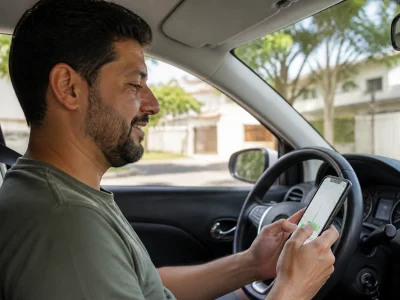
Explore delivery jobs without a car by comparing bike, scooter, motorcycle, and walking options. Understand city coverage, requirements, and potential earnings. Verify local availability on official platform pages.
Explore delivery jobs without a car in most major cities.
Pay, requirements, and availability vary by employer, state, and season.
Use this checklist for each option before visiting an official page.
In this article
- Delivery jobs without a car: the modes and who each fits
- What changes when the mode matches your city
- Equipment, insurance and local rules to check
- How to start without a car step by step
- Common mistakes and safety checks
- Frequently asked questions about delivery jobs without a car
- Earnings potential and job growth
- Choose your next step with confidence
Delivery jobs without a car: the modes and who each fits
Delivery jobs without a car can be done on a bike, scooter, motorcycle, or on foot, each mode offering distinct advantages and challenges based on city infrastructure and personal preferences.
For instance, using a bike is ideal in urban areas with congested traffic, where maneuverability can significantly cut down delivery times. In cities like New York or São Paulo, where traffic is a constant issue, bikes can be a lifesaver, allowing couriers to navigate through lanes and reach destinations faster than cars.
| Mode | City Coverage | Requirements | Best For |
|---|---|---|---|
| Bike | Urban areas | Helmet, lock | Cyclists |
| Scooter | Suburban and urban | Helmet, battery charge | Short commutes |
| Motorcycle | Wide coverage | License, insurance | Long distances |
| Walking | Dense urban areas | Comfortable shoes | Short distances |
Bikes require minimal investment; a decent lock and helmet are essential to meet safety regulations. Scooters, on the other hand, offer a quicker alternative but demand regular battery charging and maintenance, which can add to the costs. Motorcycles provide the widest coverage, making them suitable for suburban areas, but they come with higher upfront costs due to licensing and insurance needs.
Check the official requirements for each mode on platforms like IRS Gig Economy Tax Center.
What changes when the mode matches your city
When your delivery mode matches your city, the transition is smoother and more efficient. Matching the delivery mode to your city can optimize your workflow, reduce stress, and increase earnings. For example, in cities with extensive bike lanes, such as Amsterdam or Portland, choosing a bike for deliveries is not only eco-friendly but also time-efficient.
Quick Answer:
Expect improved delivery times and reduced costs, but always verify pay rates on the platform’s page.
For detailed pay and hours data by role and area, refer to the U.S. Bureau of Labor Statistics Occupational Outlook Handbook. It’s worth noting that the average hourly pay for bike couriers in urban areas can range from $15 to $25, depending on the demand and the platform. This can mean a monthly income of approximately R$3,000 to R$5,000 if working full-time, assuming consistent work and tips.
Equipment, insurance and local rules to check
To work in delivery jobs without a car, ensure you meet the equipment standards, including helmets and bags, comply with local traffic rules, verify insurance needs, and check platform-specific age minimums. A high-quality helmet can range from R$150 to R$500, while reflective gear for night deliveries might cost an additional R$50 to R$100. It’s important to factor these costs into your initial investment.
- Helmet for bike and scooter delivery
- Reflective gear for night deliveries
- Insurance verification for scooters and motorcycles
- Age minimums that vary by platform
⚠️ Caution: Always confirm the latest requirements on the platform’s official page.
For more information about specific pay rates or incentives, visit the official pages of delivery platforms and consult their help centers. Platform incentives can include bonuses for completing a certain number of deliveries within a set period, which can significantly boost your earnings.
Advantages of Non-Car Delivery Jobs
- Bike delivery jobs offer lower equipment costs compared to car-based deliveries.
- Walking deliveries have no fuel expenses, reducing overall operational costs.
- Scooter deliveries can navigate urban areas faster, saving time in congested traffic.
- Non-car delivery options often have more flexible schedules, ideal for part-time work.
- Environmental impact is reduced with non-car delivery modes, appealing to eco-conscious consumers.
How to start without a car step by step
1Confirm the mode is available in your city
Use the platform’s app or website to confirm the availability of your chosen delivery mode.
2Check equipment and age requirements
Ensure you have the necessary gear and meet the age criteria for your delivery mode.
3Review local traffic rules
Familiarize yourself with the traffic regulations relevant to your delivery mode.
4Complete the background check
Submit any required background checks through the platform’s secure application process.
5Plan a safe first zone
Choose a familiar and safe area to start your delivery route.
6Save the confirmation
Keep a record of your delivery app registration and any confirmation emails.
Common mistakes and safety checks
Verify the employer or platform identity, the official domain, current terms, customer support, and the secure application or download path. It’s crucial to avoid phishing attempts that can compromise your personal information. Make sure to always access the official websites and avoid links from unknown sources.
✅ Tip: Always use the official app store links for downloads to ensure security.
🚫 Risk: Be cautious of third-party sites offering shortcuts or hacks that promise to bypass platform rules. These can lead to account suspensions or bans, affecting your ability to work.
To learn more about the gig economy and its tax implications, visit the IRS Gig Economy Tax Center. Understanding these aspects can save you from future tax issues and help you manage your finances better.
Frequently asked questions about delivery jobs without a car
Can I deliver with a bike?
Yes, bike delivery is a common option in urban areas, but verify local availability. Some platforms offer bonuses for bike deliveries during peak hours, which can make this option even more lucrative.
Which cities allow no car delivery?
Major cities typically offer bike and walking delivery options. Check your city’s platform for specifics. For instance, cities like San Francisco and Rio de Janeiro have dedicated bike lanes that make these options viable.
Do I need insurance to deliver by bike or scooter?
Insurance needs vary. Check platform requirements and local laws. Most platforms require at least basic liability insurance for scooters and motorcycles, which can cost around R$200 annually.
Does no car delivery pay less?
Pay varies by city, platform, and mode. Verify on the official site. Generally, bike deliveries may pay slightly less than car deliveries due to the limited carrying capacity but can be compensated by bonuses and tips.
Earnings potential and job growth
The earnings potential in delivery jobs without a car can be substantial if managed well. Many platforms offer incentives and bonuses that can boost your income significantly. For instance, completing a certain number of deliveries during peak hours can result in bonuses ranging from R$100 to R$200, depending on the platform and city. Additionally, tips from satisfied customers can add a significant amount to your earnings, with some couriers reporting monthly tips of over R$500.
Job growth in this sector is also promising. The gig economy is expanding, and delivery jobs are expected to grow in demand, especially in urban areas. With more people opting for convenience and quick delivery services, the need for efficient and reliable delivery personnel is increasing. Couriers who establish a good reputation on platforms can see their earnings grow as they gain access to more lucrative delivery options and higher-paying shifts.
Dúvidas Frequentes
Yes, many cities allow bike deliveries. You'll need a helmet and a sturdy bike, and you should check local traffic regulations.
Availability varies. Check the official platform page for city-specific information on delivery modes supported.
Insurance requirements depend on the platform and location. Confirm with the platform and local regulations to ensure compliance.
Earnings depend on the mode and city. Platforms usually disclose pay rates, so verify them on the official platform page.
Choose your next step with confidence
Restate the checklist and verify your chosen delivery mode’s specifics on the platform’s official page. This ensures you are fully prepared and compliant with all requirements, maximizing your chances of success. Keep abreast of any changes in the platform’s policies or city regulations that might affect your work.
Check the official requirements
ℹ️ Important: This content is independent and merely informative. We have no affiliation with the companies or platforms mentioned. Always verify the official terms on the respective site.