Common Credit Card Mistakes to Avoid
Credit cards are powerful financial tools. But the wrong habits turn them into expensive traps.
Anúncios
Most mistakes are avoidable — once you know what to watch for.
Anúncios
Here are the most common credit card mistakes to avoid — and exactly what to do instead to protect your score, your wallet, and your financial future.
Common Credit Card Mistakes to Avoid Starting Today
Credit card mistakes rarely feel dramatic when they happen. They build quietly — one missed payment, one ignored statement, one unnecessary application — until the damage shows up in your score or your bank account.
The good news is that most of these mistakes follow a predictable pattern. Recognizing them early is half the battle.
1. Only Paying the Minimum Balance
This is one of the most costly habits a cardholder can develop. Paying only the minimum keeps your account current — but it barely touches the principal balance.
Interest charges accumulate every month on the remaining amount. A $2,000 balance paid at the minimum rate can take years to clear and cost hundreds in interest along the way.
Rule of thumb: Pay your full balance every month. If that is not possible, pay as much above the minimum as your budget allows.
2. Missing Payment Due Dates
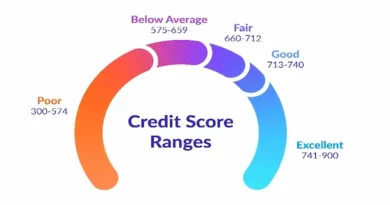
A single late payment can drop your credit score significantly. Payment history accounts for 35% of your FICO score — making it the single most impactful factor in your entire credit profile.
Late payments also trigger penalty APRs on many cards, sometimes pushing your interest rate above 29%. The damage compounds fast.
- Set up autopay for at least the minimum on every card
- Use calendar reminders if autopay is not an option
- Review due dates when opening any new card — they are not always the same day each month
3. Maxing Out Your Credit Limit
Running your card close to its limit raises your credit utilization ratio — the second most important factor in your credit score at 30%. High utilization signals financial stress to scoring models, even if you pay on time.
Keeping utilization below 30% is the standard recommendation. Below 10% is even better for those actively trying to improve their score.
4. Applying for Too Many Cards at Once
Every new credit application triggers a hard inquiry on your report. One inquiry has a small impact. Several within a short window can lower your score meaningfully and signal instability to lenders.
This applies to both personal and business credit cards. Whether you are evaluating a Capital One Business Credit Card, a Chase Business Credit Card, or a Navy Federal Business Credit Card, spacing out applications by at least six months protects your profile.
5. Ignoring Your Monthly Statement
Statements contain more than just a balance due. They show every transaction, any fee changes, and updated APR information — details that matter for spotting fraud and staying informed about your card terms.
Cardholders who never review their statements are also more likely to miss unauthorized charges, which become harder to dispute the longer they go unnoticed.
6. Closing Old Accounts Without Thinking It Through
Closing a credit card feels like a clean financial move. In reality, it can lower your score in two ways — it reduces your available credit and shortens your average account age.
Before closing any card, consider whether simply leaving it open with a zero balance costs you anything. In most cases, keeping an old account open is the better option for your credit profile.
Mistakes Business Owners Specifically Need to Watch
Business cardholders face the same fundamental pitfalls as personal cardholders — plus a few that are unique to running a company on credit.
Mixing personal and business expenses on the same card is one of the most common and most damaging habits. It complicates accounting, makes tax preparation harder, and prevents you from building a separate business credit profile.
Dedicated products like the Capital One Spark Business card, the Chase Business Card, or the Corporate Credit Card options from major issuers exist specifically to solve this problem. Using them consistently separates your financial identities and builds your commercial credit history in parallel with your personal profile.
- Never use a personal card for business expenses if a dedicated business card is available
- Review employee card activity monthly — unauthorized or excessive spending is easier to catch early
- Track your business card rewards separately from personal rewards to calculate true annual return on spending
The Role of Credit Card Processing Companies
For business owners who accept card payments from customers, choosing the right credit card processing companies matters as much as choosing the right card to spend on.
Processing fees typically range from 1.5% to 3.5% per transaction depending on the provider, card type, and payment method. Over a full year of sales volume, the difference between a well-negotiated processing rate and a default one can represent thousands of dollars in unnecessary cost.
Reviewing your processing agreement annually — alongside evaluating which business credit cards your customers use most — is a practical habit that directly affects your bottom line.
How to Avoid These Mistakes: The Practical Steps
Avoiding credit card mistakes does not require complex financial knowledge. It requires consistent habits applied to a small set of clear rules.
- Set up autopay for the full balance on every card. This eliminates late payments and interest charges in one step — the single most effective habit a cardholder can build.
- Check your utilization ratio before your statement closes. If it is above 30%, make an extra payment before the closing date to reduce what gets reported to the bureaus.
- Review every statement the day it is issued. Fraud and billing errors caught early are resolved far more easily than those discovered months later.
- Space out credit applications by at least six months. Whether applying for a Capital One Spark card, an Amex Business Checking-linked card, or any personal product, giving your profile time to recover between applications is always the smarter approach.
- Keep old accounts open unless they carry an annual fee you cannot justify. The credit history and available limit they provide benefit your score more than the psychological satisfaction of closing them.
- Use the American Express Business Checking ecosystem or similar integrated platforms to manage business card spending, track rewards, and review transactions in one place — reducing the chance of missed activity or unclaimed cashback.
- Audit your business card setup once a year. Products like the Navy Federal Business Credit Card and Chase Business Credit Card update their terms, rates, and rewards structures regularly — what was the best option when you applied may not be the best option for your current spending volume.
Common Credit Card Mistakes to Avoid — Final Verdict
The most damaging credit card mistakes are not dramatic financial emergencies. They are quiet, repeatable habits that compound silently until the damage becomes visible in a score drop or an unexpectedly high balance.
Paying in full, staying well below your limit, reviewing statements regularly, and separating personal from business spending on dedicated cards — these four habits alone eliminate the majority of the mistakes that cost cardholders the most over time.
Whether you are managing a personal card or evaluating business credit cards for your company, the fundamentals are the same: use credit intentionally, monitor it consistently, and treat every card as a tool with real financial consequences on both sides of the ledger.
All credit card products and companies mentioned in this article are independent services. We hold no affiliation, sponsorship, or control over any card issuer, financial institution, or credit card processing company referenced here. Always verify current terms directly through each issuer’s official website before applying.