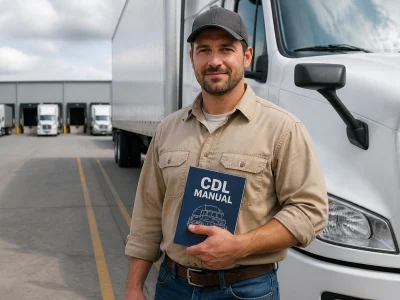
Choosing between CDL Class A and Class B depends on the vehicles and jobs you aim for.
Pay, requirements, and availability vary by employer, state, and season.
Use this checklist for every option before visiting an official page.
CDL class A vs class B: what each one lets you drive
CDL Class A licenses allow you to operate vehicles with a Gross Vehicle Weight Rating (GVWR) over 26,000 pounds, including towed units over 10,000 pounds. These are typically used for tractor-trailers, big rigs, or 18-wheelers. Class B licenses also cover vehicles over 26,000 pounds GVWR but limit the towing capacity to under 10,000 pounds. This class is ideal for straight trucks, large buses, and dump trucks.
| Criteria | CDL Class A | CDL Class B |
|---|---|---|
| Vehicle Type | Tractor-trailers | Straight trucks |
| Max GVWR | Over 26,000 lbs | Over 26,000 lbs |
| Towing Capacity | Over 10,000 lbs | Under 10,000 lbs |
| Common Jobs | Long-haul trucking | Local delivery |
Choosing the right CDL class affects the types of vehicles you can drive and the job opportunities available. For detailed job listings, explore local driving jobs that pay weekly. Understanding these differences can significantly impact your career path. For instance, CDL Class A holders might find opportunities across state lines, allowing them to engage in long-haul trucking that often offers higher salaries, sometimes exceeding R$20,000 per month, depending on experience and distance. On the other hand, CDL Class B licensees often work in local delivery roles, which provide more consistent home time and can still offer competitive salaries, around R$15,000 per month.
Check the official license classes
What changes when you pick the class that matches local jobs
Choosing the correct CDL class based on local job availability can streamline your entry into the workforce. While CDL Class A offers broader opportunities across state lines and for longer hauls, CDL Class B can be more accessible for those looking to stay local. It’s crucial to align your license class with the jobs available in your region to maximize employment prospects without overcommitting to unnecessary qualifications. For example, if your area has a robust public transportation system, CDL Class B may be more beneficial due to the demand for bus drivers. Conversely, regions with high volumes of goods transported might benefit more from CDL Class A, as companies seek drivers for interstate logistics.
Quick Tip: Verify local job boards and company websites for current hiring trends to match your license choice with real opportunities. Additionally, attending local job fairs can provide insights into which CDL class is in higher demand within your community.
Training time, cost and endorsements to check
The training and certification process for CDL Class A and Class B can differ significantly. Class A typically requires more extensive training hours, often ranging from 160 to 200 hours, due to the complexity of vehicles and routes. Class B may require between 120 to 160 hours. Fees for testing vary by state, and endorsements for passenger (P), tanker (N), and hazardous materials (H) might require additional time and exams. Always confirm these details with your state driver licensing agency. In terms of cost, training programs can range from R$5,000 to R$12,000, depending on the institution and state regulations. It’s important to factor in these costs when planning your career path, as they represent a significant investment in your professional future.
⚠️ Caution: Training costs and duration can vary widely by provider. Ensure you’re enrolling in a program that is recognized by the Federal Motor Carrier Safety Administration. Some programs may offer financial aid or payment plans, which can alleviate the upfront burden of these costs.
- Check state-specific training hour requirements.
- Confirm testing fees and additional costs, which can range from R$200 to R$500 for the exams alone.
- Verify necessary endorsements for your intended job type.
- Ensure training provider is FMCSA-approved. This approval is critical as it guarantees the quality and recognition of your training.
How to choose between class A and class B step by step
1List the jobs hiring near you
Start by researching local job boards and company websites for current openings. Focus on positions that specifically require a CDL license. Consider roles in public transportation, waste management, or construction, which may have frequent openings.
2Match each one to a class and endorsement
Identify the class of CDL and any endorsements required for each job. This helps you understand the scope of training needed. For instance, a job requiring a tanker endorsement (N) would necessitate additional certification, often involving specific safety protocols and handling procedures.
3Compare training length and cost
Consult with training providers for an estimate of time and expenses. This will give you a clear picture of the financial and temporal commitment involved. Some providers offer intensive weekend courses that allow you to complete training faster, albeit at a higher cost.
4Confirm the rules with the state agency
Ensure you are aware of any state-specific regulations by contacting your local DMV or checking their official website. Some states have unique requirements for certain endorsements or types of vehicles.
5Check the medical requirements
Both CDL classes require a valid medical certificate. Schedule an appointment with a certified medical examiner to ensure you meet the health standards. Medical exams generally cost between R$300 and R$600, depending on the examiner and location.
6Enroll with a registered training provider
Once you’ve gathered all necessary information, select a training provider approved by the FMCSA to begin your certification process. Look for reviews and testimonials from past students to gauge the quality of training offered.
Common mistakes and safety checks
Before committing to a program, verify the identity of employers or platforms. Ensure their domain is official, review current terms, and test their customer support. Always download applications from secure paths to avoid scams. Additionally, be aware of fraudulent job listings that require upfront payments for placement guarantees—they often lack legitimacy. Use secure payment methods that offer buyer protection, and always request a written contract before making any commitments.
🚫 Caution: Avoid any training programs or job offers that seem too good to be true. If an upfront payment is required without a guarantee of placement, proceed with caution.
✅ Tip: Check the Federal Trade Commission’s advertising and endorsement guidance to ensure the legitimacy of claims made by training providers. This can protect you from misleading advertisements and ensure that your investment is safe.
Financial considerations for CDL licensing
When considering a CDL license, financial planning is crucial. Beyond training costs, consider additional expenses such as testing fees, medical examinations, and potential travel costs if training facilities are not nearby. Furthermore, while some employers offer reimbursement programs for training costs, these are often contingent upon a contractual agreement to work for the company for a specific period, usually one to two years. Such agreements can be beneficial, but it’s important to evaluate the long-term impact on your career. Additionally, consider the cost of maintaining your license, which includes renewals and ongoing medical examinations. License renewal can cost between R$200 and R$400 every few years, depending on the state. Professional associations and unions may offer scholarships or financial aid to help offset these costs, so researching these options is advisable.
Frequently asked questions about cdl class a vs class b
Is class A harder than class B?
Class A covers more complex driving scenarios and vehicles, requiring more comprehensive training. This includes managing larger vehicles and understanding complex navigation routes, which can be challenging for beginners.
Can I upgrade from class B to class A later?
Yes, upgrading from Class B to Class A is possible, requiring additional training and testing. This transition can open up more job opportunities and potentially higher salaries.
Which class pays more?
Typically, Class A jobs offer higher pay due to the complexity and scope of work involved. Salaries can be significantly higher, especially for long-haul trucking roles that require extended periods away from home.
Do both classes need the same medical certificate?
Yes, both classes require a valid medical certificate from a certified examiner. This ensures that all drivers meet the necessary health standards to operate commercial vehicles safely.
Choose your next step with confidence
Revisit the checklist to ensure you’re making an informed decision. Verify all requirements with your state agency and choose the class that aligns with your career goals. Always confirm details through official channels. Taking these steps not only prepares you for the challenges ahead but also positions you for success in the competitive field of commercial driving. With the right preparation and mindset, you can confidently embark on a rewarding career.
Check the official license classes
This content is independent and not affiliated with any companies mentioned. Confirm official terms through direct contact with the relevant agencies.