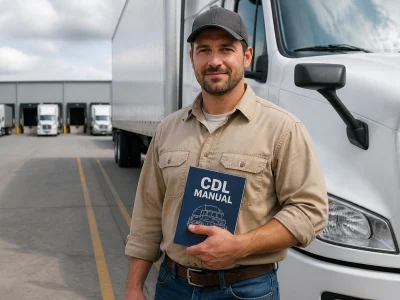
Entering the trucking industry with no experience involves choosing between self-funded schools, company-sponsored programs, or apprenticeships. Each route has unique commitments and benefits. Knowing what to ask before signing is crucial.
Starting a trucking career without experience offers three main routes: self-paid school, company-sponsored training, and apprenticeship programs.
Pay, requirements, and availability vary by employer, state, and season. Always check with official sources.
Use the checklist in this guide for every option before visiting an official page to ensure you make informed decisions.
How to become a truck driver with no experience: the three routes
To become a truck driver with no experience, you can choose between self-paid schools, company-sponsored training, or apprenticeship programs. Each option suits different situations:
| Option | Who it fits | Pros | Cons |
|---|---|---|---|
| Self-paid school | Individuals with savings or financing options | Flexible choice of schools | Upfront costs |
| Company-sponsored training | Those seeking immediate employment | No upfront cost, job placement | Contract obligations |
| Apprenticeship | Learners preferring hands-on experience | Earn while learning | Longer training period |
To explore more about each route, check the official training registry.
What changes when you choose the route that fits your money and time
Choosing the right trucking path impacts your upfront costs, learning experience, and employment prospects. Self-paid schooling allows you to pick a school but requires an initial investment. Company-sponsored training can ease financial burdens but ties you to a contract. Apprenticeships offer practical experience and income but might take longer to complete.
For instance, self-paid schooling might involve expenses ranging from $3,000 to $7,000, depending on the institution and location. On the other hand, company-sponsored programs often cover these costs upfront, but you must commit to working for the company for a specific period, usually a year. Apprenticeships, while typically longer, provide a steady income throughout the training period, which can last anywhere from six months to a year.
🔍 Quick Answer: Each route has unique trade-offs. Consider your financial situation, timeframe, and career goals to choose the best fit.
Contracts, costs and commitments to check
Before committing, examine tuition reimbursement clauses, service period requirements, and training pay. Understand medical certifications needed and ensure the provider is a registered training provider as per the Federal Motor Carrier Safety Administration.
It’s crucial to scrutinize the terms of any contract before signing. Tuition reimbursement clauses can vary significantly. Some companies may require you to stay employed for up to two years to fully reimburse the cost of your training. Additionally, be aware of service period requirements, which dictate how long you must work for the company post-training. Failing to meet these terms could result in financial penalties or having to repay training costs, which might range from several hundred to several thousand dollars.
⚠️ Caution: Breaking a contract early might incur fees. Verify all terms and conditions before signing.
- Check tuition reimbursement clauses.
- Understand minimum service periods.
- Confirm training pay details.
- Meet medical requirements by state agency.
- Verify provider registration with FMCSA.
How to start in trucking step by step
1Confirm eligibility with your state agency
Check entry requirements and gather necessary documentation. Requirements can vary significantly between states, so it’s essential to verify specifics such as age restrictions, usually starting at 21 for interstate driving, and residency status.
2Compare self-paid and sponsored programs
Analyze costs, durations, and obligations to make an informed choice. Remember, self-paid programs allow more flexibility but require you to bear the financial burden upfront, whereas sponsored programs might lock you into employment contracts post-training.
3Read every contract clause about leaving early
Understand the penalties you might face if you exit prematurely. Contracts can include clauses that require repayment of training costs, often prorated based on the length of service completed.
4Verify the provider is on the official registry
Ensure your training provider is recognized by FMCSA. This ensures that the training meets federal standards, which is crucial for obtaining a Commercial Driver’s License (CDL).
5Pass the medical exam
Meet the health standards set by your state licensing agency. This exam typically includes tests for vision, hearing, and overall health to ensure you can safely operate a large vehicle.
6Start the permit and training sequence
Begin your journey to becoming a licensed truck driver. This phase includes securing a Commercial Learner’s Permit (CLP) and completing the necessary training hours behind the wheel.
Concrete Advantages of Each Route
- Self-funded schools offer flexible schedules, allowing you to balance other commitments.
- Company-sponsored programs often provide a job guarantee upon completion.
- Apprenticeship programs combine training with immediate on-the-job experience.
- Some programs include tuition reimbursement, reducing upfront costs.
- Training with a mentor accelerates your learning curve and builds real-world skills.
Common mistakes and safety checks
Verify the employer’s identity, ensure the domain is official, check current terms, and use secure application paths. Mistakes in these areas can lead to identity theft or misinformation.
One of the most common mistakes is failing to verify the legitimacy of the employer. Always ensure that the company is registered and that you are communicating through official channels. Additionally, be wary of unsolicited offers and check the domain of any email correspondence, as fraudulent actors often mimic official communication to deceive.
✅ Tip: Always contact official customer support for clarification if uncertain.
🚫 Caution: Never download apps or apply through unofficial links to avoid scams.
Frequently asked questions about how to become a truck driver with no experience
Can I get paid while training for a CDL?
Yes, some company-sponsored programs offer wages during training. Confirm this with the employer.
What happens if I leave a sponsored program early?
You may be required to reimburse training costs. Review your contract for details.
How long until I drive on my own?
It varies, but most programs take a few weeks to months before independent driving is permitted.
Do I need a clean driving record?
A clean record is often required, but some programs may accept minor infractions. Verify with the provider.
Financial planning for aspiring truck drivers
Financial planning is crucial for those looking to enter the trucking industry, especially when starting with no experience. It’s important to budget for initial training costs, which can range significantly depending on the chosen route. For instance, self-paid training programs might require an upfront investment ranging from $3,000 to $7,000, covering tuition, materials, and other fees.
Furthermore, consider the cost of living during the training period. If you opt for a program that doesn’t provide a stipend, ensure you have sufficient savings to cover your expenses. These might include housing, utilities, and transportation. If you’re considering a company-sponsored program, be aware that while these often cover training costs, they might not include living expenses, so financial preparation is key.
Additionally, once employed, having a financial plan can help manage earnings effectively. Consider setting aside a portion of your income for emergencies and future investments, such as upgrading your licensing or obtaining endorsements, which can enhance your career opportunities and earning potential.
Dúvidas Frequentes
Yes, some company-sponsored programs pay trainees during the training period. Verify the payment terms with each company.
Leaving early may incur fees or require repayment of training costs. Check contract clauses for specific terms.
It varies by program, but trainees often start driving solo within 3 to 12 months after completing training.
A clean driving record is often required to qualify for most CDL programs. Check specific requirements with your state agency.
Choose your next step with confidence
Remember to use the checklist provided to verify the program’s legitimacy and terms before committing. Ensure your choice aligns with your financial and career goals.
For more detailed information, visit the official site: Federal Motor Carrier Safety Administration.
Check the official training registry
This content is independent and not affiliated with the companies mentioned. Always verify official terms and conditions.