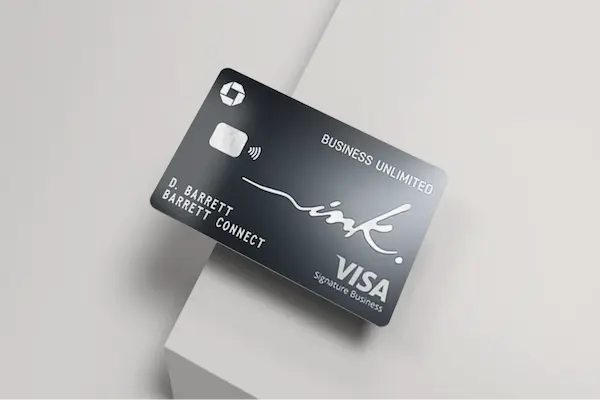
Applying for a Capital One business credit card is one of the smartest financial moves you can make for your company right now.
With powerful Spark cards offering unlimited cash back, flexible spending limits, and built-in business tools, Capital One gives small business owners real purchasing power — and real rewards.
If you’re serious about growing your business and want a card that works as hard as you do, keep reading and discover exactly what you need to do to get approved.
Related Articles
– Best Capital One Business Credit Card: Full Comparison
– How to Apply for a Chase Business Credit Card
– Best Business Credit Cards With Rewards and No Annual Fee
– Top Cash Back Business Credit Cards Ranked
– Best Business Credit Card for Multiple Employees

Why Capital One Business Credit Cards Stand Out in 2026
Capital One has built one of the most competitive business card portfolios available today.
Whether you run a one-person freelance operation or manage a team of 50, there’s a Capital One Spark card designed to match your needs and spending patterns.
The Spark lineup includes options ranging from no-annual-fee entry-level cards to premium charge cards with unlimited 2% cash back on every single purchase — with no caps, no rotating categories, and no complicated reward structures to track.
What makes these cards particularly appealing is their built-in business management tools. Features like free employee cards, virtual card numbers, integration with QuickBooks and Excel, and real-time spending alerts make it easier to run your business efficiently from day one.
Beyond that, Capital One reports your activity to the major business credit bureaus, which means responsible card use actively builds your business credit profile over time — opening doors to better financing options down the road.
Capital One Spark Cards: Which One Should You Apply For?
Understanding the full Spark lineup helps you choose the right card before you even start your application.
Here’s a breakdown of the main options available in 2026:
- Spark Cash Plus — A charge card with unlimited 2% cash back on all purchases and 5% cash back on hotels and rental cars booked through Capital One Business Travel. The $150 annual fee is fully refunded when you spend $150,000 or more per year. Welcome bonus: $2,000 cash back after spending $30,000 in the first 3 months.
- Spark Cash (Spark 2%) — A traditional credit card offering unlimited 2% cash back with a $0 annual fee for the first year, then $95. A strong choice for established businesses that prefer a fixed credit line.
- Spark Cash Select — Unlimited 1.5% cash back on all purchases with zero annual fee. Includes a $750 welcome bonus after spending $6,000 in the first 3 months. Great for businesses that want steady rewards without any fee commitment.
- Spark Miles Select — Earns 1.5X miles on every purchase with no annual fee. Ideal for business owners who travel occasionally and want flexibility in how they redeem rewards.
- Spark Classic — Designed for business owners with fair or limited credit. Earns 1% cash back on all purchases and has no annual fee. A strong starting point for building business credit from scratch.
- Venture X Business — A premium travel card with 150,000-mile welcome bonus, access to 1,300+ airport lounges, and a $300 annual travel credit. Best suited for heavy business travelers with excellent credit.
> **Pro tip:** If your credit score is below 680, start with the Spark Classic. After 6–12 months of consistent, on-time payments, you can often upgrade to a more rewarding tier.
How to Apply for a Capital One Business Credit Card: Step by Step
The application process is straightforward and usually takes about 10 minutes to complete online.
- Check your credit standing — Most Spark cards require good to excellent credit (700+). Premium cards like Spark Cash Plus typically favor scores of 720 or higher. Use Capital One’s pre-approval tool to see your options without a hard inquiry on your credit report.
- Gather your business information — You’ll need your business name, legal structure (sole proprietor, LLC, corporation), business address, number of employees, and annual revenue. Even freelancers and side hustlers qualify by providing their Social Security Number instead of an EIN.
- Choose the right card for your spending — Think about whether cash back or travel miles serve you better, and whether you prefer a no-fee card or a premium card with higher reward rates.
- Submit your application — Visit Capital One’s website and complete the online form. In most cases, you’ll receive a decision within seconds. Some applications require additional review and may take a few days.
- Activate your card and set up employee accounts — Once your card arrives, activate it, add employee cards at no additional cost, and configure spending limits and alerts through Capital One’s online dashboard.
What Capital One Looks at When Reviewing Your Application
Understanding what reviewers consider can help you set realistic expectations and position your application for success.
Personal credit score is the single most important factor. Capital One uses your personal credit history when evaluating most small-business card applications, especially if your business is relatively new or doesn’t have its own established credit file. A score of 700 or above gives you access to the best options; scores under 640 typically limit you to the Spark Classic.
Business revenue and history also play a role. While newer businesses and sole proprietors can absolutely qualify, applications for premium cards like Spark Cash Plus carry more weight when the business shows at least two years of operating history and consistent revenue.
Existing relationship with Capital One can work in your favor. If you already hold a Capital One consumer card in good standing, that history is visible to their underwriting team and may support your approval.
One important rule to be aware of: Capital One typically limits applicants to two personal Capital One credit cards at one time, though this restriction applies separately to business cards. However, if you’ve applied for multiple Capital One cards recently, it’s worth spacing out your applications.
Credit Limits to Expect After Approval
Credit limits vary significantly based on your financial profile and the specific card you apply for.
For the Spark Cash and Spark Miles cards, reported credit limits typically range from $2,000 up to $60,000, depending on your creditworthiness and business financials. The Spark Cash Select usually starts with a minimum credit limit of $2,000 and can reach up to $12,000 for qualified applicants.
The Spark Cash Plus, being a charge card, has no preset spending limit — meaning your available spending adjusts dynamically based on your payment history, spending behavior, and credit profile. This makes it particularly attractive for businesses with high or variable monthly expenses.
Making the Most of Your Capital One Business Card
Once approved, a few smart habits will help you maximize the value of your card from day one.
First, set up automatic payments to ensure you never miss a due date. Late payments not only trigger fees but can negatively impact both your personal and business credit scores.
Second, add employee cards immediately. Capital One offers free additional cards for your team, and every transaction they make on the account earns cash back at the same rate as your primary card — giving you rewards on spending you’d be doing anyway.
Third, use Capital One Business Travel to book hotels and rental cars whenever possible. Both the Spark Cash and Spark Miles cards earn 5% cash back or 5X miles on travel booked through that portal — a significant boost over everyday spending rates.
Finally, download transaction data regularly into QuickBooks or Excel. Capital One makes this easy through their online portal, and staying on top of your expenses pays dividends at tax time.
What to Do If Your Application Is Denied
A denial doesn’t have to be the end of the road.
By law, Capital One must send you an adverse action notice explaining exactly why your application was declined. Common reasons include a credit score below the card’s threshold, too many recent credit inquiries, a high debt-to-income ratio, or insufficient business revenue.
If you’re denied for a premium card, consider starting with the Spark Classic or another no-fee business card to establish a track record, then reapply for a higher-tier card after 12 months of responsible use.
You can also call Capital One’s reconsideration line to speak with an underwriter directly. In some cases, providing additional documentation about your business income or explaining recent credit activity can flip a denial into an approval.
Is a Capital One Business Credit Card Right for You?
If you’re a small business owner, freelancer, or side hustler looking for a straightforward, rewarding business card with solid management tools, the Capital One Spark lineup is genuinely hard to beat in 2026.
The combination of unlimited cash back, no foreign transaction fees on most cards, free employee cards, and seamless expense tracking makes these cards a practical choice for businesses of all sizes and stages.
Whether you’re applying for your very first business card or looking to upgrade from a basic no-fee option to a premium rewards card, Capital One has a path for you — and the process to get there starts with just 10 minutes online.
This content is for informational purposes only and reflects publicly available information. We are not affiliated with, sponsored by, or otherwise connected to Capital One or any other financial institution mentioned in this article. Always review the current terms and conditions directly with the card issuer before applying.
Want to compare more options? Explore our full credit card guides and reviews to find the best cards for every type of business need — from travel to cash back to fleet management.