How to Create a Monthly Budget That Works
Most budgets fail not because people are bad with money — but because the budget was never built for real life.
Advertisements
A budget that works is one you actually follow. And that starts with building it the right way.
Advertisements
Here is exactly how to create a monthly budget that works — practical, honest, and designed for the way people actually spend money.
How to Create a Monthly Budget That Works: Start With the Truth
The first step is not writing numbers down. It is looking at what you actually spent last month — not what you think you spent.
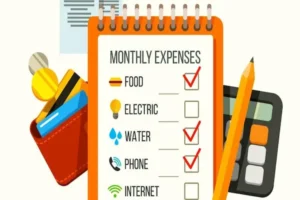
Pull your last two or three bank statements. Categorize every transaction. The real picture is almost always different from the mental one.
That gap between what you think you spend and what you actually spend is where most budgets fall apart before they even begin.
Know Your Real Monthly Income
Budget from your take-home pay — not your gross salary. The number that hits your account is the only number that matters.
If your income varies month to month, use the lowest month from the past six as your baseline. It is always better to budget conservatively and have money left over than to budget optimistically and fall short.
- Include all income sources — salary, freelance, side income, rental income
- Exclude bonuses and irregular income from the monthly base plan
- Treat windfalls separately — they are for savings or debt payoff, not recurring expenses
Map Your Fixed and Variable Expenses
Fixed expenses are the same every month — rent, mortgage, insurance, loan payments. Variable expenses change — groceries, dining, entertainment, gas.
Most people underestimate their variable spending by 20 to 40 percent. That is why tracking real numbers before building the budget matters so much.
- Fixed: Rent or mortgage, car payment, insurance premiums, subscriptions, loan minimums
- Variable: Groceries, restaurants, clothing, personal care, entertainment
- Irregular: Car maintenance, medical bills, gifts, annual fees — divide annual totals by 12 and budget monthly
The Budget Framework That Actually Holds Up
The 50/30/20 rule is the most practical starting framework for most households. It is flexible enough to adjust and simple enough to maintain.
Fifty percent goes to needs. Thirty percent to wants. Twenty percent to savings and debt repayment.
If your numbers do not fit that split initially, that is normal. Use it as a target direction — not a strict rule that breaks the whole system the first time you go over.
Key insight: A budget does not need to be perfect to work. It needs to be honest, reviewed regularly, and adjusted when life changes. Consistency beats perfection every single time.
How to Handle Debt Inside Your Budget
Debt payments are one of the biggest variables that break monthly budgets. Understanding exactly what you owe — and at what cost — is essential before allocating anything else.
High-interest debt should always be attacked aggressively. The interest compounding against you every month is working harder than almost any savings rate can work for you.
For students managing education debt, tracking current Student Loan Refinance Rates is worth building into a quarterly budget review. A successful Student Loan Refinance can reduce monthly obligations meaningfully — freeing up cash flow that can be redirected into savings or other debt payoff.
- List every debt with its balance, minimum payment, and interest rate
- Prioritize payoff by interest rate — highest rate first saves the most money
- Never budget only the minimum payment on high-rate debt if any extra capacity exists
- Revisit refinancing options annually — rates change, and your credit profile improves over time
Building an Emergency Fund Into the Budget
An emergency fund is not optional. It is the component that keeps every other part of the budget intact when something unexpected happens.
Without one, a single car repair or medical bill breaks the entire financial plan and often leads to high-interest debt that takes months to recover from.
Start with a $1,000 target as a first milestone. Build toward three to six months of essential expenses once high-interest debt is cleared.
Budgeting for Business Owners and Self-Employed Individuals
Business owners face a layer of budgeting complexity that salaried employees do not — irregular income, operating expenses, tax obligations, and the need to manage both personal and business cash flow simultaneously.
Separating personal and business finances completely is the foundation. Every business expense should run through a dedicated business account — making both budgets cleaner and tax preparation significantly simpler.
Understanding available financing tools is part of responsible business budgeting. A Working Capital Loan addresses short-term operational cash needs without disrupting the longer-term financial structure of the business. Similarly, Working Capital Finance strategies help business owners smooth out revenue gaps between billing cycles and actual payment receipt.
For businesses with outstanding client invoices, Invoice Finance and Invoice Factoring convert unpaid receivables into immediate cash — solving the timing mismatch that creates cash flow problems even in profitable businesses.
- Online Business Loan options provide fast capital access for growth or gap coverage
- Unsecured Business Loans are available without collateral for qualifying businesses with strong revenue history
- The Best Small Business Loans combine competitive rates with repayment terms that fit the business cash flow cycle
- A dedicated Business Loan — rather than personal credit — builds commercial credit history separately from personal finances
How to Create a Monthly Budget That Works: Step by Step
- Track actual spending for 30 days before building the budget. Real data beats estimates every time. Use bank statements, not memory, to identify where money actually goes each month.
- Calculate your true monthly take-home income. Include all sources but exclude irregular income from the base. Build the budget around the number that reliably arrives every month.
- List every fixed obligation first. Rent, loan payments, insurance, and subscriptions come out before any discretionary category gets a dollar. Fixed costs are non-negotiable — everything else is allocated from what remains.
- Set a realistic variable spending limit for each category. Base these on your tracked actual spending, not an aspirational number. A grocery budget of $200 that gets broken every week creates frustration, not discipline.
- Assign every remaining dollar a purpose. Money without a designated category has a way of disappearing. Zero-based budgeting — where income minus all allocations equals zero — prevents untracked spending from derailing the plan.
- Review and adjust at the end of every month. A budget is a living document. Every month produces new information — an unexpected expense, a change in income, a bill that was higher than expected. Monthly reviews keep the plan grounded in reality rather than wishful thinking.
- Automate savings and debt payments wherever possible. Automation removes the decision and the temptation. Money moved to savings or debt payoff before it can be spent is money that reliably works toward your financial goals every single month without requiring willpower.
The Habits That Keep a Budget Working Long-Term
Building the budget is the easy part. Maintaining it through real life — unexpected expenses, busy weeks, emotional spending — is where most people struggle.
The budgets that survive are the ones with built-in flexibility. A small “miscellaneous” category and a monthly review habit absorb the variance without requiring a full rebuild every time something unexpected happens.
- Schedule a 15-minute monthly review — same day every month, treated like a fixed appointment
- Use a budgeting app that connects to your accounts and updates automatically
- Give yourself a discretionary spending category with no questions asked — removing guilt from every purchase makes the system sustainable
- Celebrate milestones — a paid-off debt, a funded emergency fund, a savings goal reached — to reinforce the behavior that produced the result
Common Budgeting Mistakes That Derail Progress
Most budget failures follow the same patterns. Recognizing them early prevents the same mistakes from repeating every month.
- Building an unrealistically restrictive budget that cannot survive contact with real life
- Forgetting irregular expenses — annual subscriptions, car registration, seasonal costs — that blow the monthly numbers when they arrive
- Treating the budget as a punishment rather than a tool — which creates avoidance behavior and eventually abandonment
- Skipping the monthly review when the budget goes off-track — the review is most important precisely when things went wrong
How to Create a Monthly Budget That Works — Final Verdict
A budget that works is not the most detailed one or the most restrictive one.
It is the one built on real numbers, reviewed consistently, and adjusted honestly when life does not go according to plan.
Start with what you actually spend. Assign every dollar a purpose. Automate what you can. Review every month without judgment.
That system — applied consistently over time — produces more financial progress than any complex framework that gets abandoned after two weeks.
All financial tools, platforms, and loan products mentioned in this article are independent services. We hold no affiliation, sponsorship, or control over any lender, financial institution, or third-party platform referenced here. Always verify current terms directly through each provider’s official website before making financial decisions.