Personal Loans: What You Need to Know
You need money. A personal loan might be exactly what you need — or the wrong move entirely. The difference comes down to understanding how they work.
Advertisements
The right loan, chosen carefully, can solve a real financial problem without creating a bigger one.
Advertisements
Here is everything about personal loans — how they work, where to find them, and how to choose the option that actually fits your situation.
Personal Loans: What You Need to Know Before You Apply
A personal loan is a fixed amount of money borrowed from a lender and repaid in regular monthly installments over a set term — typically between one and seven years.

Unlike credit cards, personal loans come with a fixed interest rate and a clear payoff date. You know exactly what you owe, what you pay each month, and when you will be done.
That predictability is one of the main reasons people choose them over revolving credit — especially when managing a large expense or consolidating existing debt.
The Most Common Reasons People Take Personal Loans
Personal loans are flexible. They can be used for almost any legal purpose — which makes them one of the most versatile financial products available to consumers.
- Debt consolidation — Combining multiple high-interest balances into a single lower-rate loan
- Credit card consolidation loans — Paying off card balances to reduce utilization and simplify repayment
- Home improvement — Funding renovations without using home equity
- Medical expenses — Covering costs not handled by insurance
- Major purchases — Financing large one-time expenses at a fixed rate
- Emergency funds — Bridging a financial gap when savings fall short
The most financially strategic use is debt consolidation — particularly for borrowers carrying high-interest credit card balances. A personal loan for debt consolidation replaces multiple variable-rate balances with one fixed monthly payment at a lower rate.
Secured vs. Unsecured Personal Loans
Most personal loans are unsecured — meaning they require no collateral. Approval is based on your credit score, income, and debt-to-income ratio.
Secured personal loans require an asset — such as a savings account or vehicle — as collateral. They typically come with lower rates but carry the risk of losing the asset if you default.
For most borrowers, an unsecured loan is the standard choice. Secured options make sense primarily when credit history is limited or when a significantly lower rate justifies the collateral requirement.
Where to Find the Best Personal Loans
The lending landscape for personal loans has expanded significantly. Today, borrowers have access to banks, credit unions, and a growing range of online lenders — each with different approval criteria, rate structures, and funding speeds.
Rocket Loans is one of the most recognized online personal loan platforms, known for fast approval decisions and same-day or next-day funding for qualified borrowers. For those who need money quickly, the speed of digital lenders like Rocketloans is a genuine advantage over traditional bank timelines.
BHG Loan — offered through Bankers Healthcare Group — specializes in personal loans for licensed professionals, including doctors, dentists, and veterinarians. BHG Loan products are known for higher loan amounts and competitive rates for borrowers with strong professional income profiles.
- Banks and credit unions — Lower rates for existing members, but slower approval timelines
- Online lenders — Fast decisions and funding, competitive rates for good credit
- Same day business loans platforms — Designed for business owners needing rapid capital access
- Loans for self employed borrowers — Available through specialized lenders who evaluate bank statements and tax returns rather than traditional pay stubs
Student Loan Consolidation: A Related but Separate Category
Many borrowers confuse personal loan consolidation with student loan consolidation. They are different products with different rules.
Consolidating student loans through a federal program preserves income-driven repayment options and potential forgiveness eligibility. Refinancing federal loans through a private lender — even at a lower rate — permanently removes those protections.
Current student loan consolidation rates through private lenders vary significantly based on credit profile and loan type. Before refinancing, compare the long-term cost of the new rate against what you would pay under existing federal repayment plans.
Important: Never refinance federal student loans into a private personal loan without fully understanding what federal benefits you are giving up. The savings may not be worth the trade-off for every borrower.
How to Apply for a Personal Loan: Step by Step
Applying for a personal loan is straightforward when you know what to prepare. These steps apply whether you are looking to apply for a debt consolidation loan, fund a home project, or cover an unexpected expense.
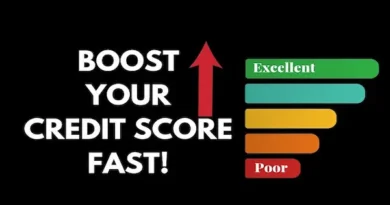
- Check your credit score before applying. Most personal loan lenders require a minimum score in the fair-to-good range. Knowing your number helps you identify which lenders are realistic options before triggering any hard inquiries.
- Calculate how much you actually need. Borrowing more than necessary increases your total interest cost. Be specific about the amount — especially for debt consolidation, where the goal is to pay off exact existing balances.
- Compare rates from at least three lenders. Rate differences between lenders on the same loan amount can be significant. Use prequalification tools — which only trigger soft inquiries — to compare offers without affecting your score.
- Review the full loan terms, not just the rate. Origination fees, prepayment penalties, and late payment fees affect the true cost of a loan beyond the advertised APR.
- Submit your application with accurate documentation. Lenders typically require proof of income, identification, and bank account details. Self-employed borrowers applying for loans for self employed individuals should have two years of tax returns and recent bank statements ready.
- Review the final offer before accepting. Once approved, read the full loan agreement before signing — confirm the rate, term, monthly payment, and any fees match what was presented during prequalification.
Personal Loan Consolidation: Is It the Right Move?
Personal loan consolidation — using a single new loan to pay off multiple existing debts — makes financial sense in specific situations.
It works best when the new loan carries a meaningfully lower interest rate than the debts being consolidated. It also simplifies repayment by replacing multiple due dates and minimum payments with one fixed monthly amount.
The best personal loans for debt consolidation combine a competitive rate with terms long enough to keep the monthly payment manageable — without extending the repayment period so far that total interest paid exceeds what you would have paid by staying on the original schedule.
- Compare the total interest cost of the consolidation loan against the combined cost of existing debts before committing
- Avoid using the freed-up card limits after consolidation — this is the most common way borrowers end up deeper in debt after consolidating
- Confirm there are no prepayment penalties on existing debts before paying them off with a consolidation loan
Personal Loans for Business Owners and Self-Employed Borrowers
Business owners and self-employed individuals often find traditional loan applications more complicated than salaried employees — primarily because income documentation requires more preparation.
Platforms offering same day business loans and lenders specializing in loans for self employed borrowers have developed underwriting models that evaluate cash flow and bank statement history rather than relying exclusively on W-2 income verification.
For business owners, the decision between a personal loan and a dedicated business loan depends on the purpose of the funds. Personal expenses should always use personal credit products. Business capital needs are better served by purpose-built business lending products that build commercial credit history separately from the owner’s personal profile.
Personal Loans: What You Need to Know — Final Verdict
Personal loans are one of the most flexible and accessible financial tools available — when used with a clear purpose and a realistic repayment plan.
Whether you are looking for the best personal loans for debt consolidation, exploring a personal loan for debt consolidation to simplify multiple balances, evaluating student loan consolidation rates, or simply funding a one-time expense at a fixed rate — the process starts with knowing your credit profile, comparing real offers, and reading every term before you sign.
The right loan does not just solve today’s problem. It leaves your financial position stronger when the final payment clears.
All lenders, platforms, and financial products mentioned in this article are independent services. We hold no affiliation, sponsorship, or control over any lender, financial institution, or third-party platform referenced here. Always verify current rates and terms directly through each lender’s official website before applying.